Commercial Maintenance Contracts
Commercial Electrical Maintenance Contractsin Loughton, Harlow & Epping
A maintenance contract should mean fewer surprises, not more paperwork. We keep a fault history on your premises, respond promptly within working hours, and issue certification you can hand to an insurer or landlord without a scramble.
NICEIC approved contractor, RAMS issued for all commercial works, 30-day account terms available.
22 yrs
On the tools since 2004
NICEIC
Approved Contractor
30-day
Account terms available
£5m
Public liability insurance
Overview
Ongoing electrical maintenance for commercial premises
A maintenance contract covers the ongoing electrical upkeep of a commercial building: periodic inspection and testing, emergency lighting checks, fixed appliance testing, fault response, and small reactive works, all handled by the same contractor who already knows the building rather than a different firm each time something goes wrong. Trace Electrical Ltd, run by Ben Skingsley with a four-person team based in Loughton, provides this to offices, retail units, workshops and other commercial premises across Loughton, Harlow, Epping and the wider Essex and East London area.
The value of a contract over ad-hoc call-outs is continuity. We hold a fault history for the building, know the distribution board layout and circuit references before we arrive, and can flag developing issues, such as an ageing consumer unit or a circuit approaching the end of its EICR-recommended retest interval, before they become an emergency. RAMS documentation is issued for all commercial works, and where appropriate we operate on 30-day account terms, which suits businesses that need predictable invoicing rather than a card payment at every visit.
Contracts are scoped to the building rather than sold as a fixed package: a small retail unit typically needs annual emergency lighting and fixed appliance testing plus reactive fault cover, while a larger office or workshop might need quarterly inspections, planned preventive maintenance on specific equipment, and a faster response arrangement for critical circuits. We agree the scope after a site visit, not before, so you are not paying for inspection frequency the building does not need.
Offices and retail units
Regular emergency lighting testing, fixed appliance testing and periodic inspection keep the premises compliant for insurance and staff safety without needing to book each service separately with different contractors.
Workshops and light industrial units
Higher electrical loads and more frequent equipment changes in workshops across Harlow and Epping benefit from a contractor who already understands the distribution board and can respond quickly to plant-related faults.
Landlords with multiple commercial units
Managing several properties in Chigwell, Woodford Green or Ilford under one maintenance arrangement simplifies certification renewal dates and gives a single point of contact for reactive repairs across the portfolio.
Businesses replacing ad-hoc call-outs
If you are currently calling a different electrician each time something fails, a contract with fault history on file and 30-day account terms usually resolves issues faster and with less administrative back and forth.
Leave it, and it gets worse
What happens without a proper maintenance arrangement
Commercial premises without a maintenance contract tend to rely on reactive call-outs only, which means certification lapses get missed, faults are diagnosed from scratch every time, and the cost of neglected maintenance escalates well beyond what routine testing would have cost.
Missed certification renewal dates
EICR retest intervals and emergency lighting test schedules are easy to lose track of without a contract managing the calendar. A lapsed certificate can invalidate insurance cover or breach lease obligations, and is often only discovered during an audit or after an incident, when it is too late to arrange calmly.
Faults diagnosed from scratch every time
Without a fault history on file, every call-out to a different contractor starts from zero, re-testing circuits that were already known to be sound and taking longer to isolate a recurring issue, which costs more in labour over a year than a contract with continuity would.
Ageing equipment failing without warning
Consumer units, RCDs and fixed appliances degrade gradually. Without scheduled inspection, a developing fault, such as a failing RCD that no longer trips within the required time, typically goes unnoticed until it fails completely, sometimes causing unplanned downtime for the business.
Unplanned downtime and higher repair costs
A reactive-only approach means faults are fixed after they cause a problem, such as a lighting circuit failing during trading hours or a workshop machine tripping repeatedly, rather than being caught during a scheduled visit when the repair would have been smaller and cheaper.
Our process
The same five steps on every job
- Step 01
Site visit & scoping
We visit the premises to review the distribution board, existing certification, and the type of business operating there, then agree what level of inspection, testing and reactive cover the building actually needs.
- Step 02
Contract proposal & account terms
We provide a written proposal covering inspection frequency, testing scope and reactive response arrangements, with 30-day account terms available where appropriate rather than payment at each individual visit.
- Step 03
Baseline inspection & certification
The first visit under the contract establishes a baseline: full periodic inspection, emergency lighting and fixed appliance testing as scoped, with certification issued and a fault history file opened for the building.
- Step 04
Scheduled maintenance visits
Subsequent visits follow the agreed schedule, whether annual, quarterly or another interval, each one checked against the fault history file so recurring issues are tracked rather than treated as new every time.
- Step 05
Reactive support & RAMS
Between scheduled visits, reactive call-outs are handled with RAMS issued for the work, drawing on the existing fault history and distribution board knowledge to diagnose issues faster than a first-time visit would allow.
What you get
Specific outcomes, not promises
Faster fault response
Because we already hold the distribution board layout, circuit references and fault history for the building, reactive call-outs are diagnosed faster than starting from scratch with an unfamiliar contractor each time.
Safer premises for staff and customers
Scheduled emergency lighting and fixed appliance testing catch failures before they matter in an actual emergency, and periodic inspection identifies deteriorating circuits before they become a genuine hazard.
Equipment lasts longer
Catching a failing RCD, a loose connection or an overloaded circuit during a scheduled visit, rather than after it fails, extends the working life of the consumer unit and connected equipment considerably.
Predictable costs with account terms
30-day account terms and a scoped contract mean maintenance spending is planned rather than an unpredictable emergency invoice, which is easier to budget for than reactive-only electrical spend across a financial year.
Reliable compliance record
Certification renewal dates are tracked as part of the contract rather than left to memory, so EICR and emergency lighting certificates stay current for insurance, lease and audit purposes without last-minute scrambling.
Peace of mind with a single point of contact
One contractor who knows the building, backed by £5m public liability insurance and RAMS issued for every visit, replaces the administrative overhead of sourcing a different electrician for every issue that comes up.
In detail
What a commercial maintenance contract actually covers
This section sets out the testing regimes, documentation and typical scope differences we apply across commercial premises in Loughton, Harlow and the surrounding area, and where domestic maintenance differs from commercial.
Periodic inspection and testing
Under BS 7671 18th Edition, commercial premises should have a periodic inspection and testing regime with intervals set according to the type of premises and usage, commonly every five years for offices but shorter for higher-risk environments such as workshops with heavier equipment loads. As a City & Guilds 2391 tester, Ben carries out full periodic inspections including insulation resistance, earth fault loop impedance, RCD trip time testing and visual inspection of accessible wiring and containment, issuing an Electrical Installation Condition Report with any observations coded and explained clearly rather than left as jargon.
Under a contract, the retest interval is tracked as part of the schedule, and where an EICR flags a C2 or C1 observation requiring remedial action, that work can usually be scheduled and carried out under the existing account terms rather than requiring a fresh quote process from an unfamiliar contractor.
Emergency lighting and fixed appliance testing
Emergency lighting in commercial premises requires a monthly functional test and an annual full three-hour duration test under BS 5266, confirming that escape route lighting operates for the required duration if mains power fails. We carry out and log both under the maintenance contract, replacing failed lamps, batteries or self-contained units where identified, and providing the test log required for fire risk assessment purposes.
Portable and fixed appliance testing (commonly referred to as PAT testing for portable items) is scoped to the equipment actually present on site, from office equipment to workshop tools, with test frequency set by equipment type and usage rather than a blanket annual assumption, and results logged against an asset register we maintain as part of the contract.
Reactive maintenance and RAMS
Reactive call-outs under a maintenance contract, whether a tripped circuit, a failed light fitting or a fault reported by staff, are handled with RAMS (Risk Assessment and Method Statement) documentation issued before work begins, which is standard practice for commercial premises and often a requirement of the site's own health and safety policy. Having existing distribution board knowledge on file from previous visits means diagnosis is typically faster than a first-time attendance, since known circuit references and prior fault history narrow down likely causes immediately.
Where a fault reveals a wider issue, such as a consumer unit reaching end of life or a circuit no longer adequate for current load, we quote that work separately, agreed through the same account relationship rather than treating it as an unrelated new job.
Domestic versus commercial maintenance scope
Domestic properties do not typically need a formal maintenance contract in the same sense; landlords instead need periodic EICR renewal, usually every five years or at change of tenancy, which we cover separately. Commercial maintenance contracts exist because commercial premises carry statutory and insurance obligations around emergency lighting, fixed appliance testing and more frequent inspection intervals that a single domestic property does not, along with a business need for predictable costs and minimal disruption during trading hours.
For multi-unit landlords managing both domestic lets and commercial units, we can align domestic EICR renewal dates with a commercial maintenance contract schedule for other units in the same portfolio, which simplifies administration even though the underlying testing requirements differ between the two property types.
Questions
Commercial Maintenance Contracts, your questions answered
Anything not covered here, call 020 4620 2290. Lines are answered 24 hours and site visits run Monday to Friday 7am–6pm and Saturday 8am–5pm.
How much does a maintenance contract cost?
There is no published package price because scope varies by premises size, equipment and inspection frequency required. We provide a written quote after a free site visit, and the minimum charge for any standalone visit is £150 plus VAT.
What is included in a typical contract?
Scope is agreed per building but commonly includes periodic inspection and testing, emergency lighting testing, fixed appliance testing, and reactive fault response, all documented against a fault history file we maintain for the premises.
Do you offer account terms rather than paying per visit?
Yes, 30-day account terms are available for commercial maintenance contracts where appropriate, which suits businesses that prefer predictable invoicing over payment at each individual site visit.
How quickly can you respond to a fault under a contract?
We do not offer a fixed response-time SLA, but existing knowledge of the building's distribution board and fault history typically means reactive call-outs are diagnosed and resolved faster than a first-time attendance at an unfamiliar site.
Will we get certification for compliance purposes?
Yes. Periodic inspections result in an Electrical Installation Condition Report, and emergency lighting and fixed appliance testing are logged, giving you documentation for insurance, fire risk assessment and lease compliance purposes.
Is RAMS documentation provided for site works?
Yes, RAMS is issued for all commercial works carried out under a maintenance contract, which is standard practice for site health and safety requirements on commercial premises.
Which areas do you provide commercial maintenance in?
We provide commercial maintenance contracts across Loughton, Harlow, Epping, Chigwell, Buckhurst Hill, Woodford Green, Waltham Abbey, Chingford, Walthamstow, Ilford, Romford and Brentwood.
Can a contract be scaled up if the business grows?
Yes, contract scope is reviewed at each renewal or on request, so inspection frequency and reactive cover can be adjusted if the premises expands, adds equipment, or takes on additional units.
Related services
Often booked alongside this
Commercial Fit-Outs
RAMS-compliant commercial installations for offices, warehouses and schools, coordinated around other trades and your programme.
EICR & Landlord Certificates
Electrical Installation Condition Reports and Landlord Electrical Safety Certificates, carried out by a City & Guilds 2391 tester.
Fault Finding & Diagnostics
Methodical testing to trace tripping circuits and intermittent faults to their source, rather than replacing parts on guesswork.
Where we work
Commercial Maintenance Contracts across Essex and East London
Working out of Chester Cl in Loughton, the team covers the following towns daily. See the areas we cover or get in touch to check your postcode.
- Loughton
- Harlow
- Epping
- Chigwell
- Buckhurst Hill
- Woodford Green
- Waltham Abbey
- Chingford
- Walthamstow
- Ilford
- Romford
- Brentwood
Recent work
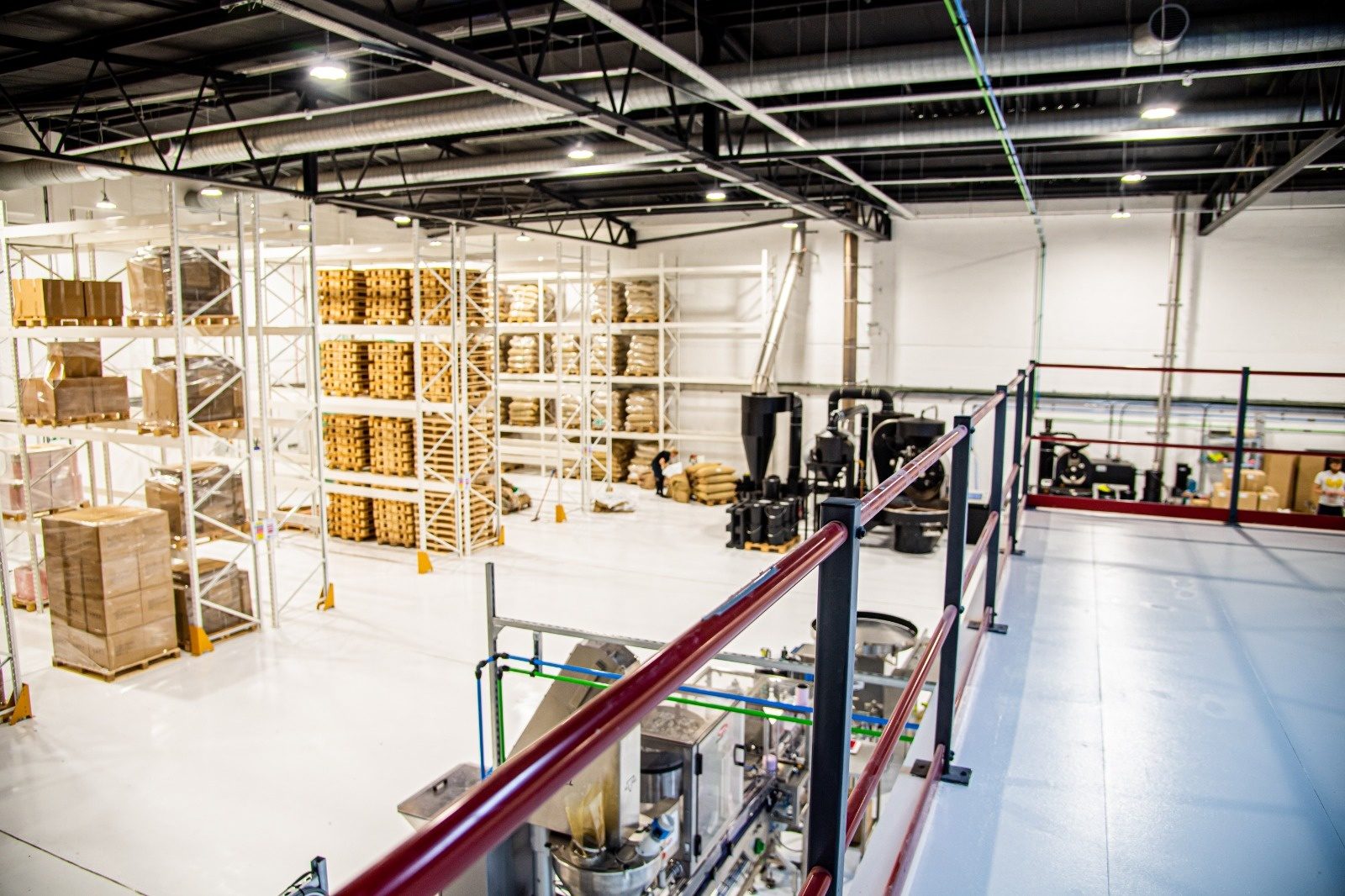
Commercial Maintenance Contracts we have completed
Next step
Want predictable electrical maintenance on account terms?
Book a free site visit and we will scope a maintenance contract around your premises, with RAMS issued for every visit and 30-day account terms available.
Lines answered 24 hours · Mon–Fri 7am–6pm, Sat 8am–5pm on site